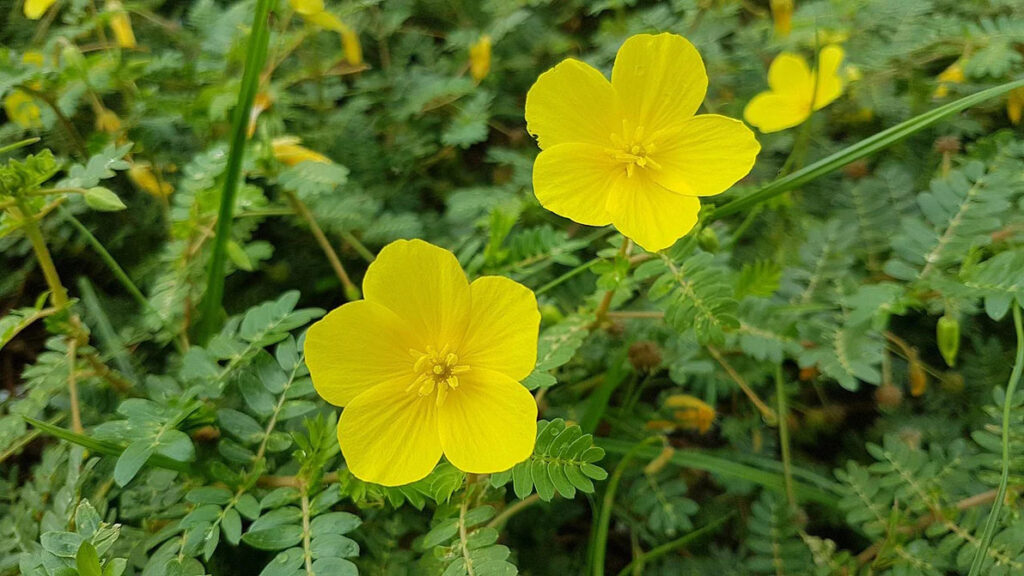
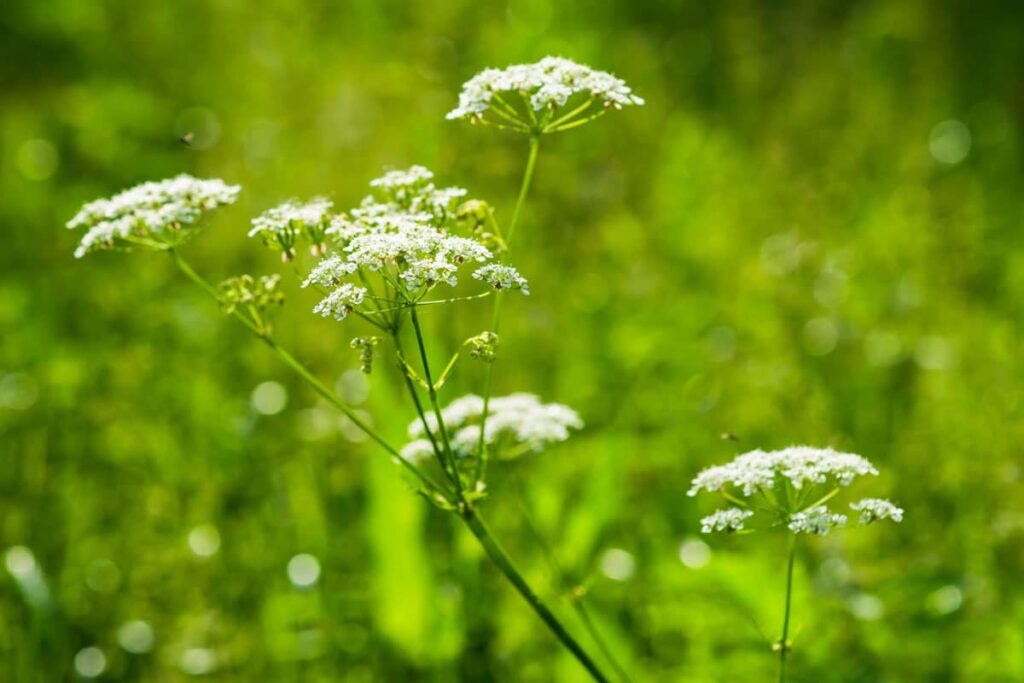
The stems of the baboon’s teeth are low, branched and covered with small spines. They contain active ingredients such as saponins, flavonoids and alkaloids. They are used in traditional medicine to improve libido and strengthen muscle mass. Preparations of milk thistle are taken to improve cardiovascular function and lower cholesterol. They are also known for their antibacterial properties.
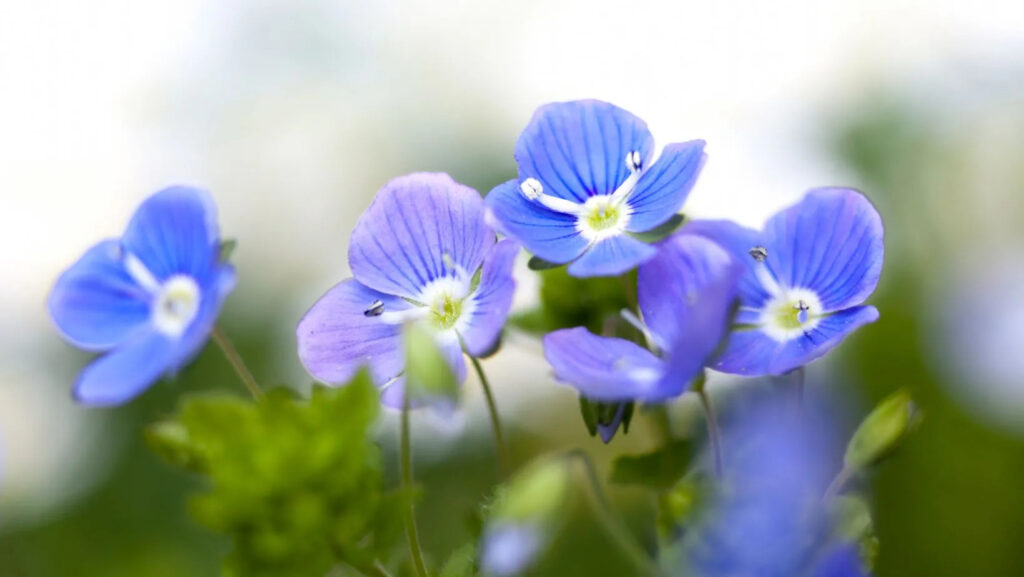
Veronicae - Speedwells
The stems of the speedwells are thin, erect and often covered with small blue-violet flowers. They are rich in tannins and phenolic compounds. They are used in folk medicine to treat respiratory problems and coughs. The stems can be used to make teas and tinctures. They also have anti-inflammatory and antiseptic properties.
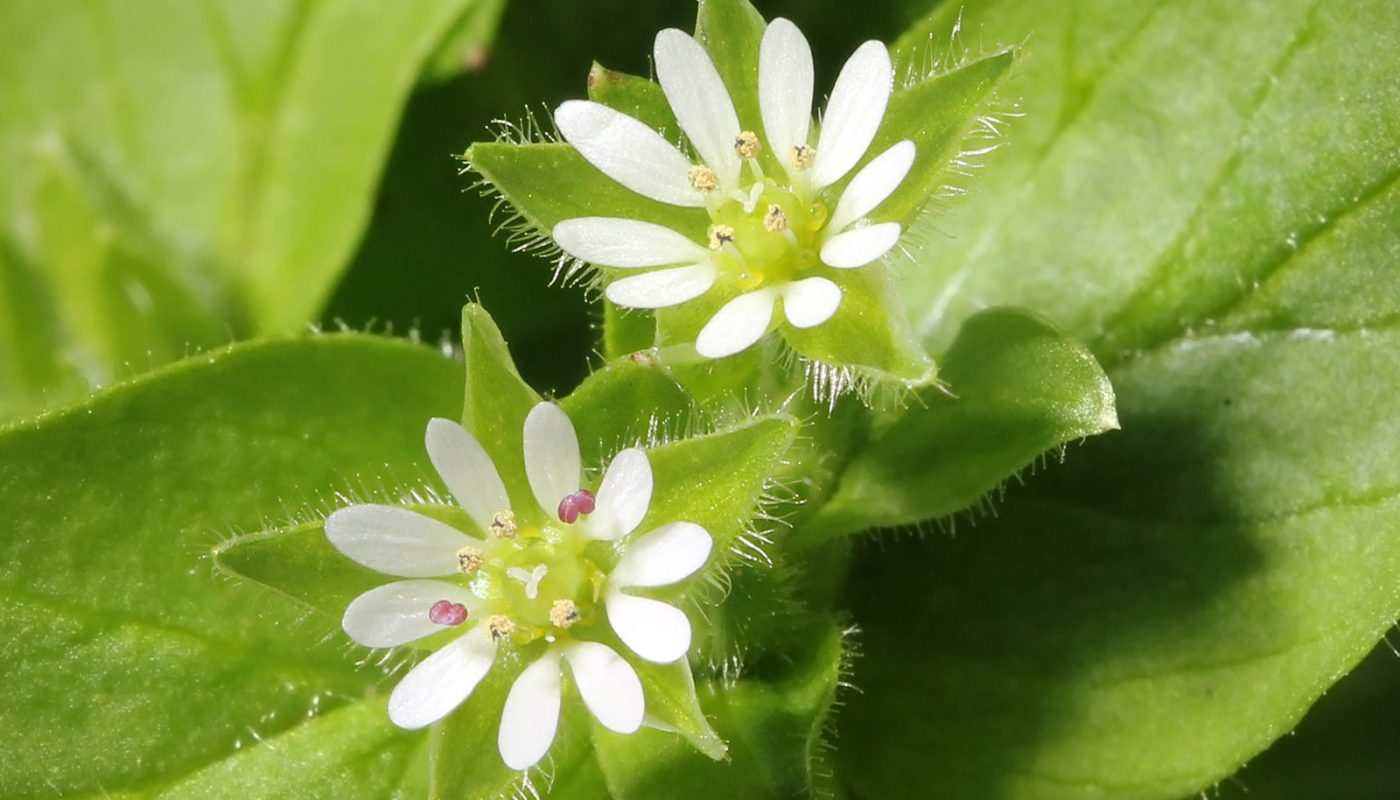
Stellariae Mediae - Crabgrass
The stems of the crabgrass are tender, with small, white flowers. They contain saponins, flavonoids and coumarins. They are used in traditional medicine to treat skin diseases and wounds. The stalks are brewed into tea or used as poultices. They are known for their anti-inflammatory and soothing properties.
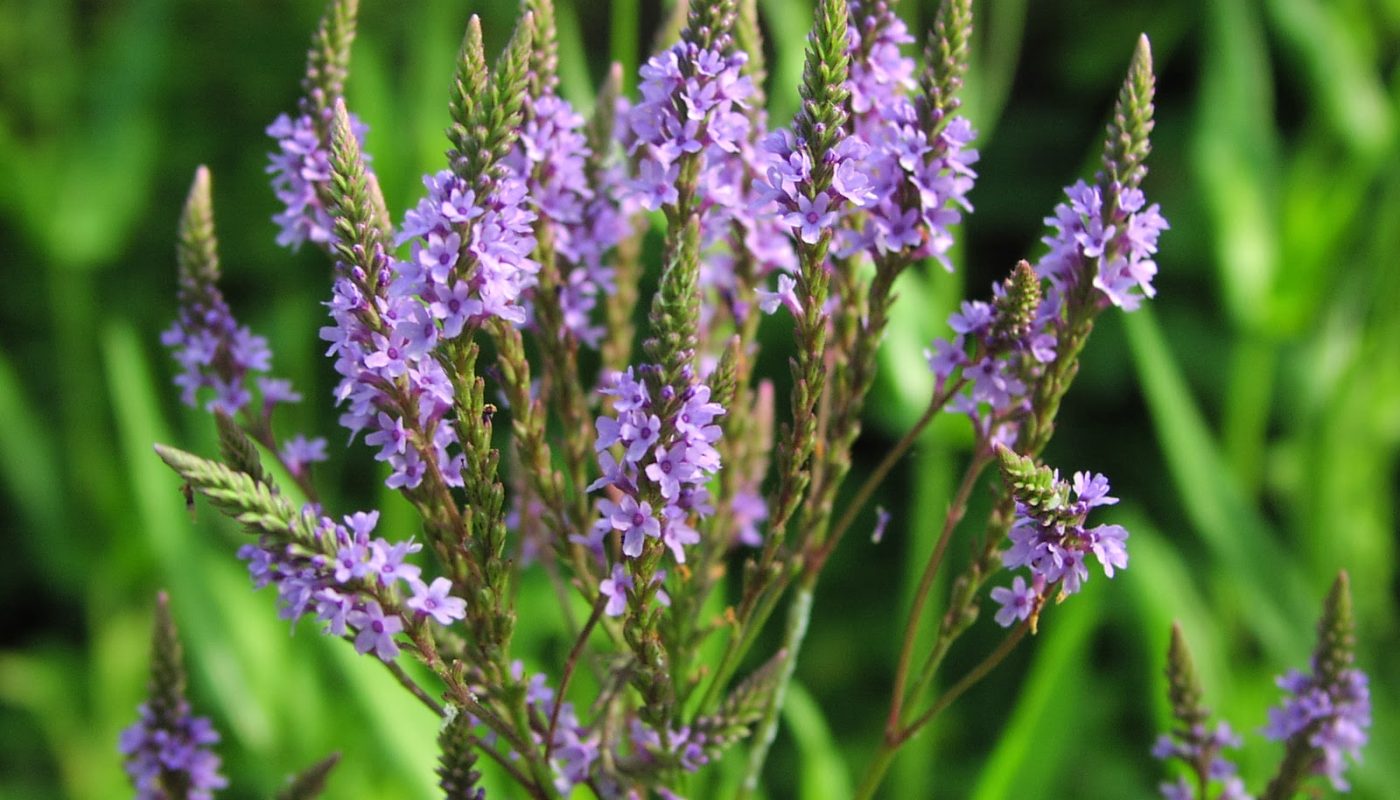
Varbenae - Common verbena
The stems are tall, branched and with small flowers. They are rich in iridoids, glycosides and essential oils. Verbena is used to stimulate digestion and improve liver function. The stems are used to make teas and extracts. It also has soothing and antiseptic properties.
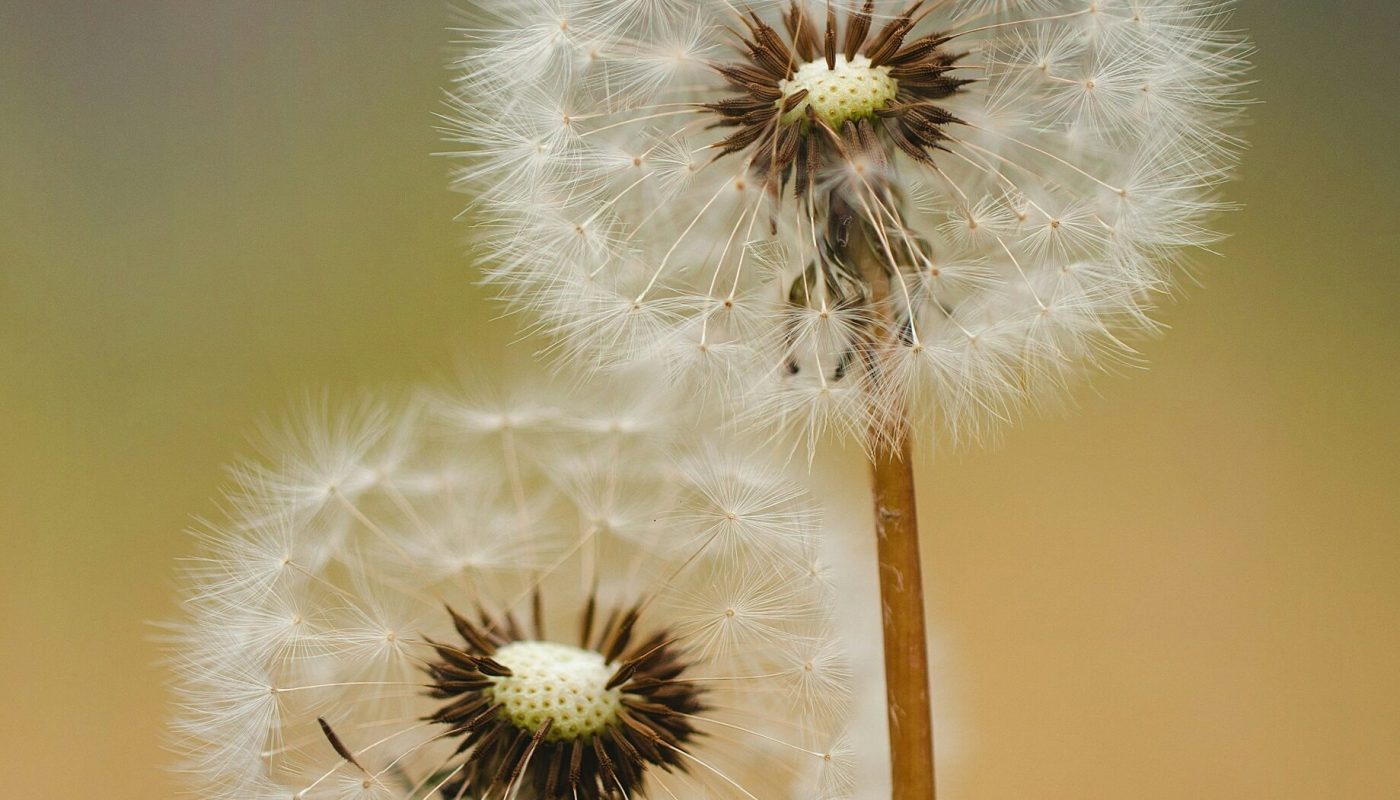
Taraxaci - Dandelion
The stems of the dandelion are hollow, erect and emerge from a rosette of leaves. They contain a milky sap that is rich in vitamins and minerals, especially potassium. They are used to make salads, teas and syrups. Dandelion is known for its diuretic and purgative properties. It also helps improve liver function and digestion.
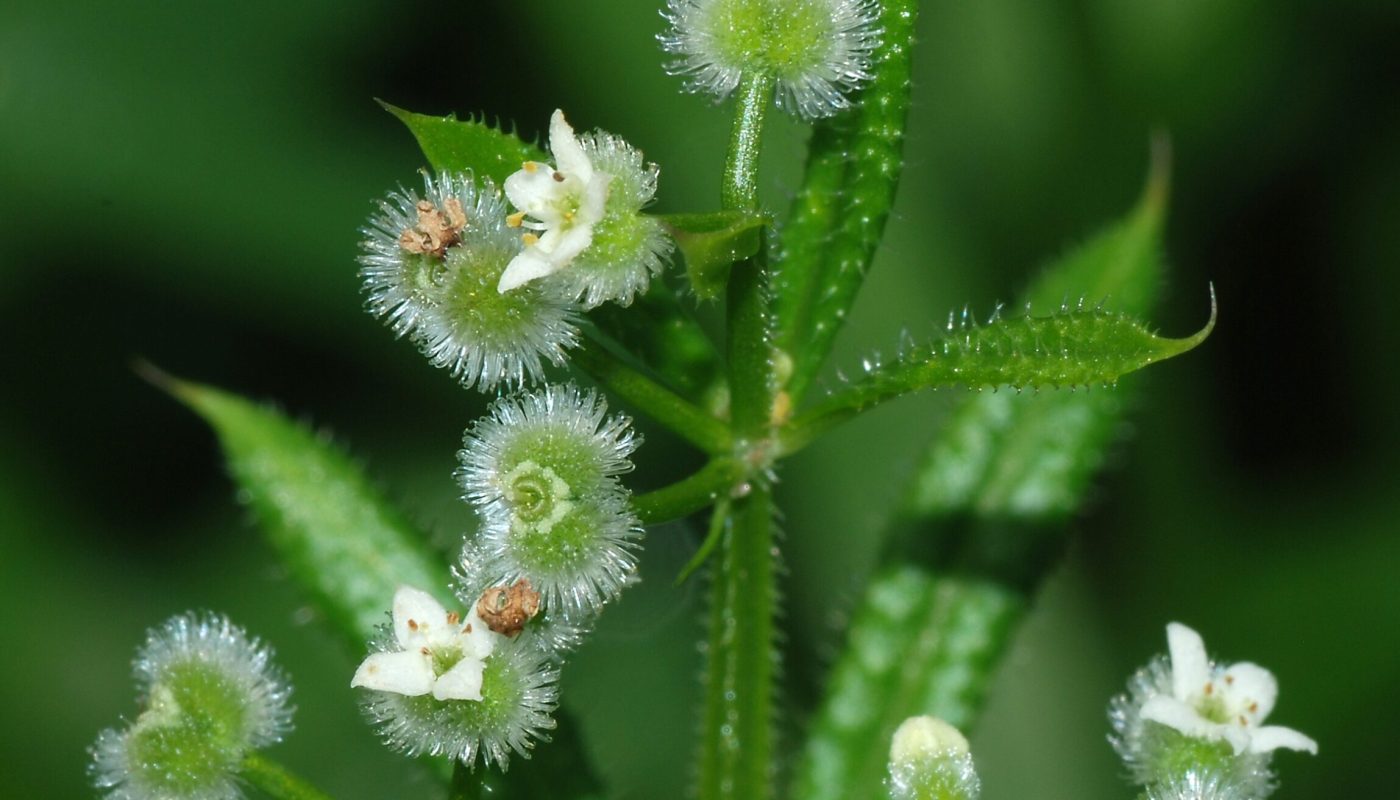
Leonuri Cardiacae - Galium
The stems are erect, branched and with small yellow flowers. They contain alkaloids, flavonoids and essential oils. They are used in traditional medicine to treat gastrointestinal ailments and as a diuretic. The stalks are prepared into a tea or tincture. They are also known for their anti-inflammatory and antiseptic properties.
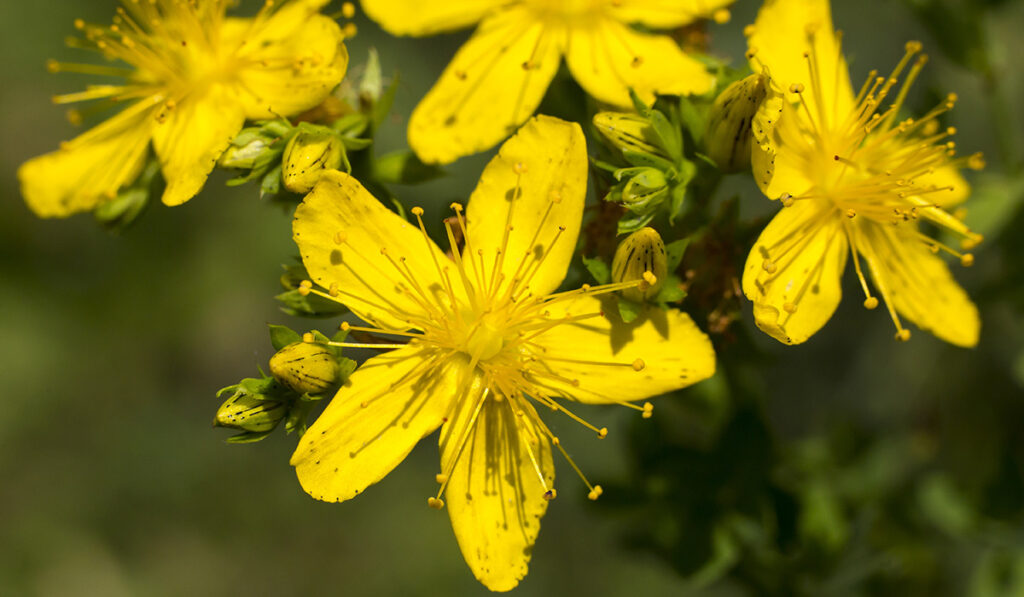
Galli Veri - St John's-wort
Stems of St. John’s Wort are erect, branched and covered with small yellow flowers. They contain hypericin, hyperforin and flavonoids. They are used in folk medicine to treat depression and anxiety. The stems are brewed into tea or oil. They are also known for their anti-inflammatory and antimicrobial properties.
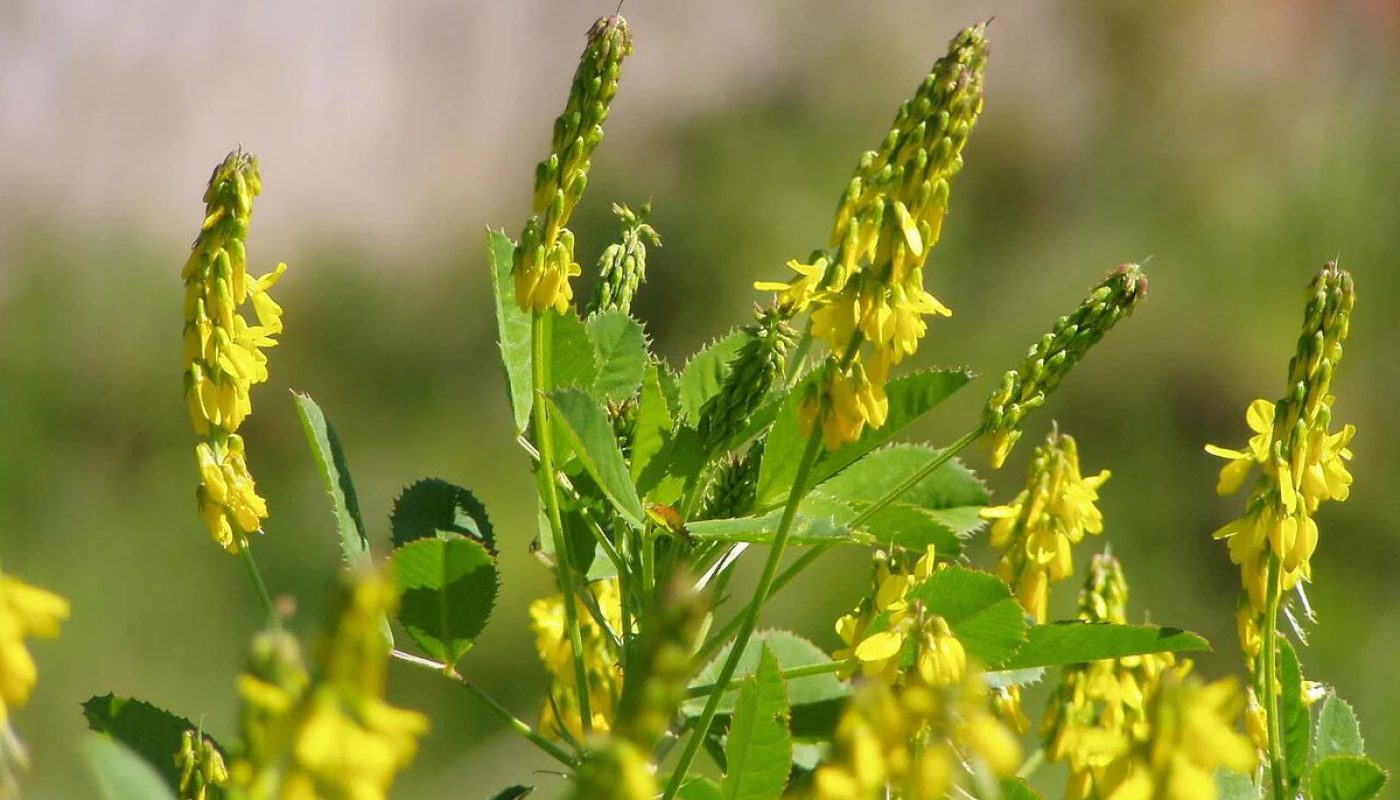
Hyperici Perforatae - Yellow sweet clover
The stems of the yellow sweet clover are tall, branched and with small yellow flowers. They contain coumarins, flavonoids and tannins. They are used to improve circulation and reduce inflammation. The stems are prepared into tea or poultices. They are also known for their antiseptic and soothing properties.
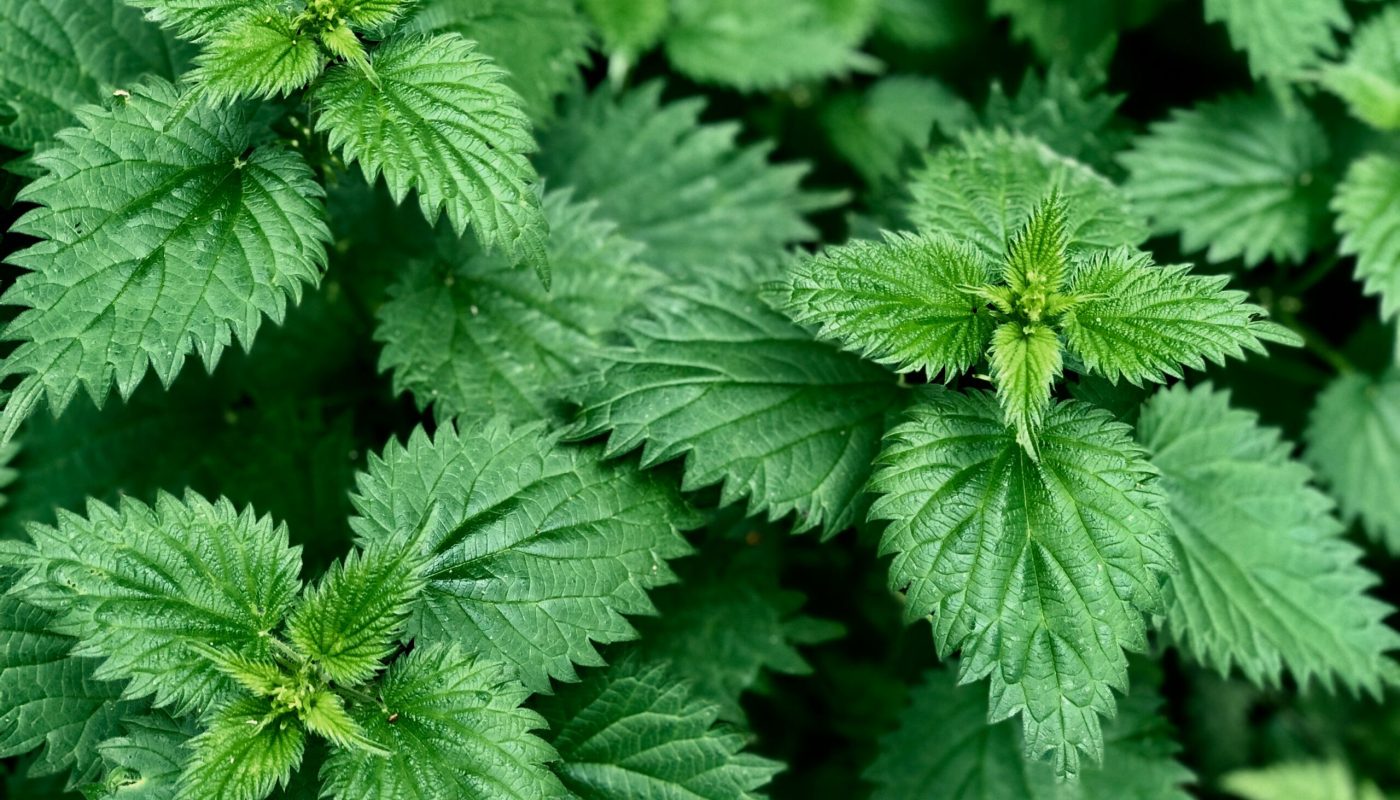
Urticae Dioicae - Nettle
Nettle stalks are erect, branched and covered with stinging hairs. They are rich in vitamins, minerals and chlorophyll. They are used to make soups, salads, teas and extracts. Nettles are known for their cleansing and anti-inflammatory properties. It also helps improve blood circulation and stimulate hair growth.
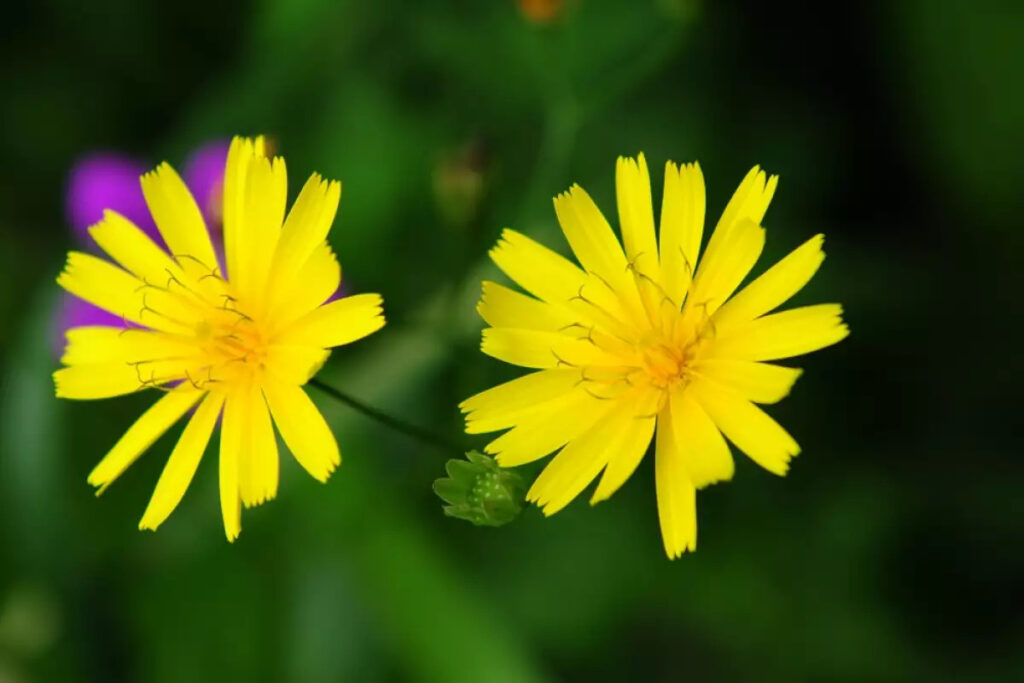
Hieracii Pilosellae - Mouse-ear-hawkweed
The stalks of mouse-ear-hawkweed are tender, branched and with small, light green leaves. They contain saponins and flavonoids. They are used in folk medicine to treat skin diseases and wounds. The stalks are prepared in tea or as poultices. They are known for their anti-inflammatory and antiseptic properties.
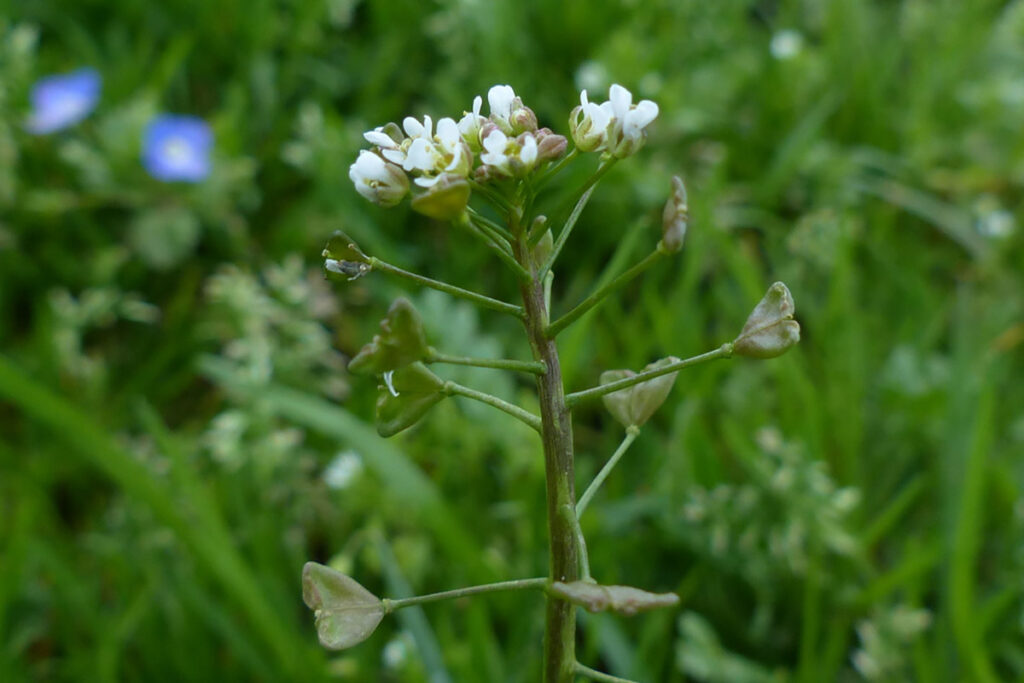
Bursae Pastoris - Shepherd's purse
Shepherd’s purse stems are thin, erect and covered with small, heart-shaped fruits. They contain glucosinolates and flavonoids. They are used to stop bleeding and improve circulation. The stems are prepared into a tea or tincture. They are also known for their anti-inflammatory and astringent properties.
Artemisiae - Mugworts
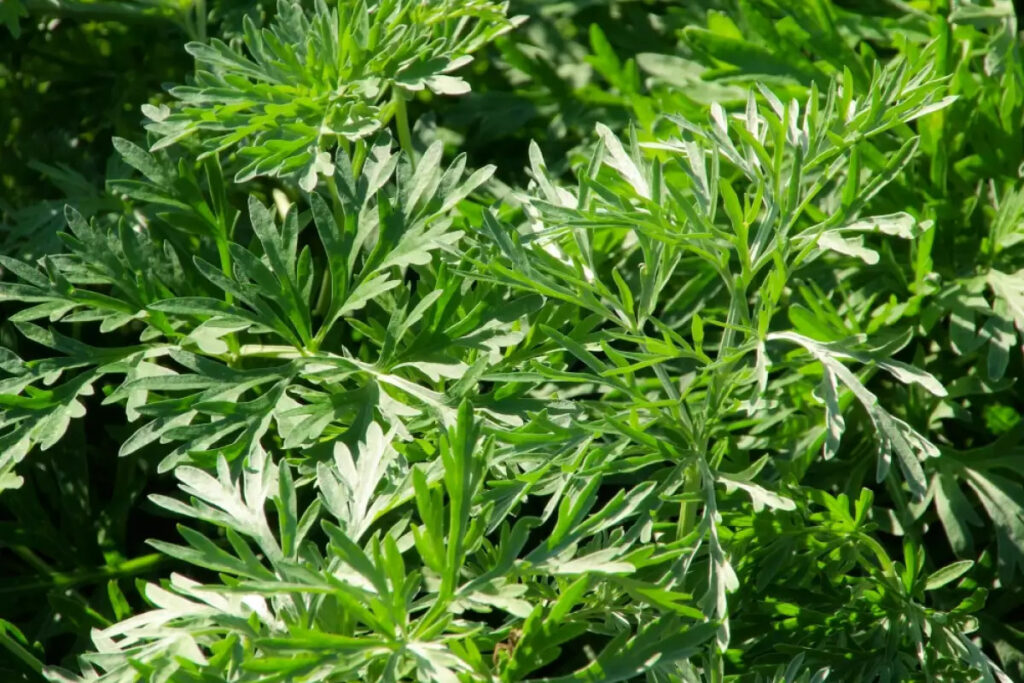
The stalks of mugworts are tall, grey-green and covered with fine hairs. They contain essential oils, absinthe and thujone. They are used to stimulate the appetite and improve digestion. The stalks are prepared into a tea or tincture. Wormwood is known for its antiparasitic and anti-inflammatory properties.
Мillefolii - Yarrow
Yarrow stalks are erect, branched and have small white flowers. They contain essential oils, flavonoids and tannins. They are used to treat wounds and skin diseases. The stalks are prepared into tea or poultices. They are known for their anti-inflammatory and antiseptic properties.
Equiseti - Horsetails
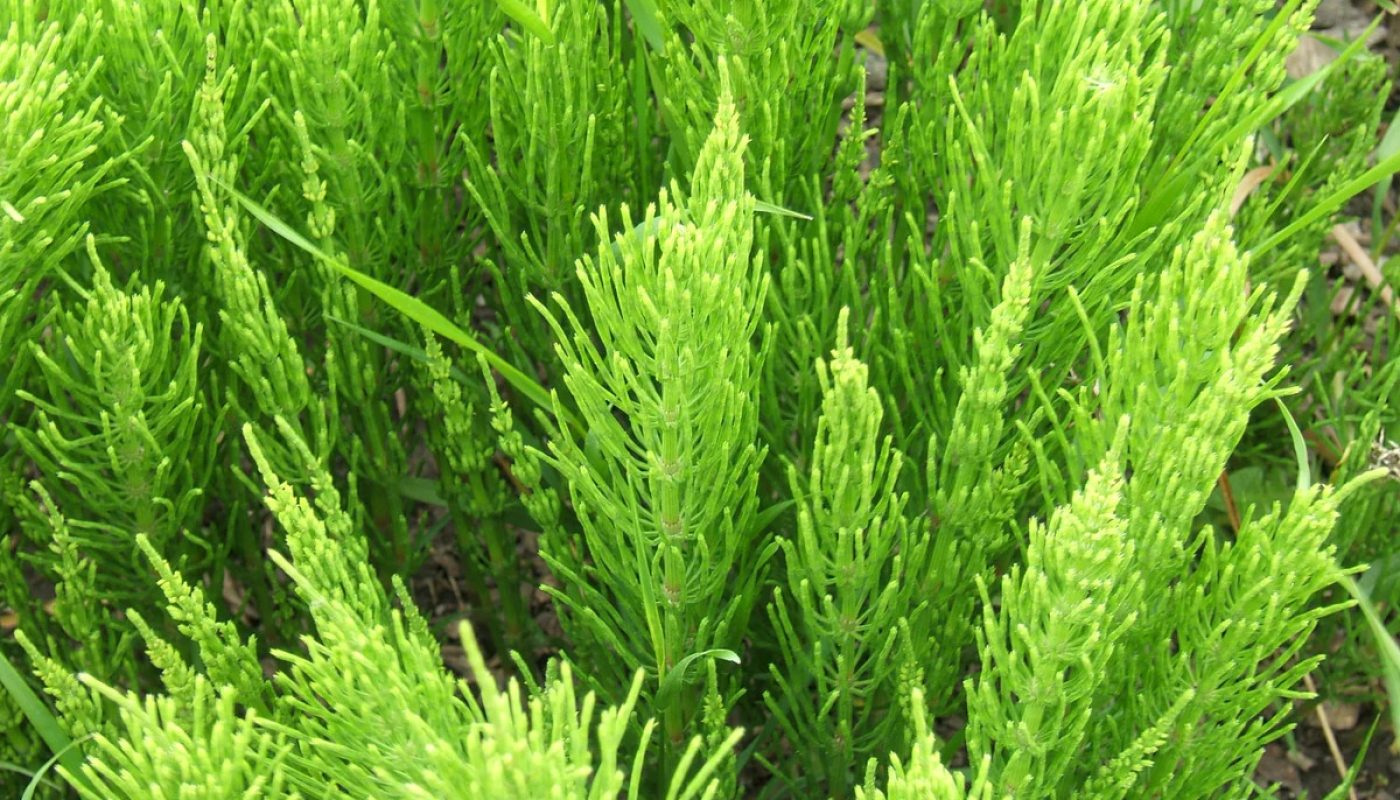
Horsetail stalks are tall, hollow and segmented, resembling ponytails. They are rich in silicic acid and flavonoids. They are used to strengthen bones and hair. The stalks are brewed into a tea or extract. Horsetail is known for its diuretic and anti-inflammatory properties.